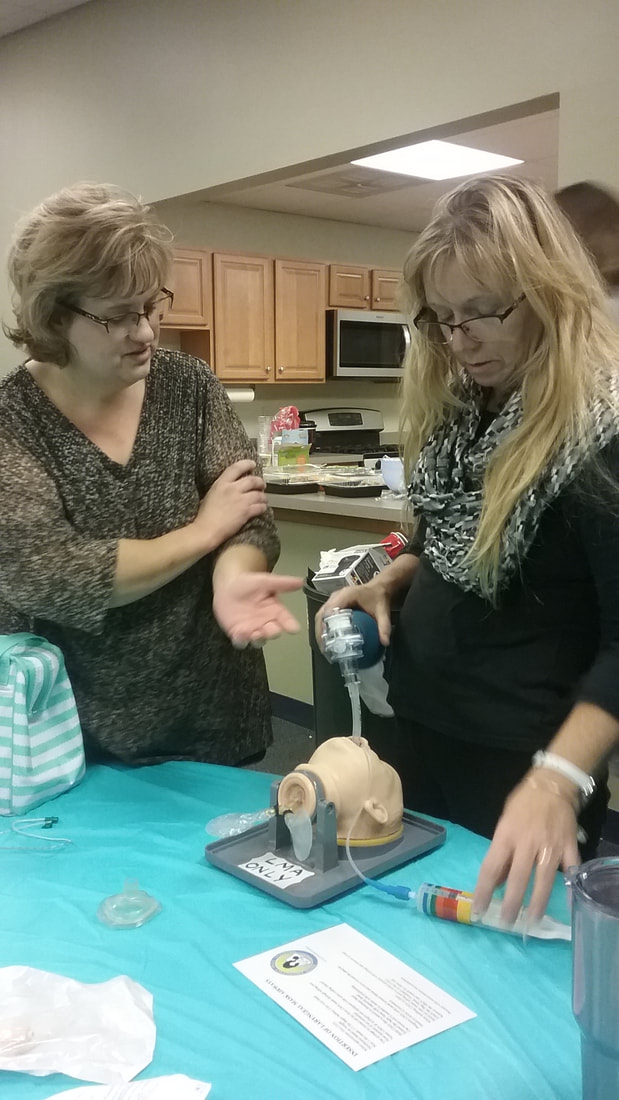
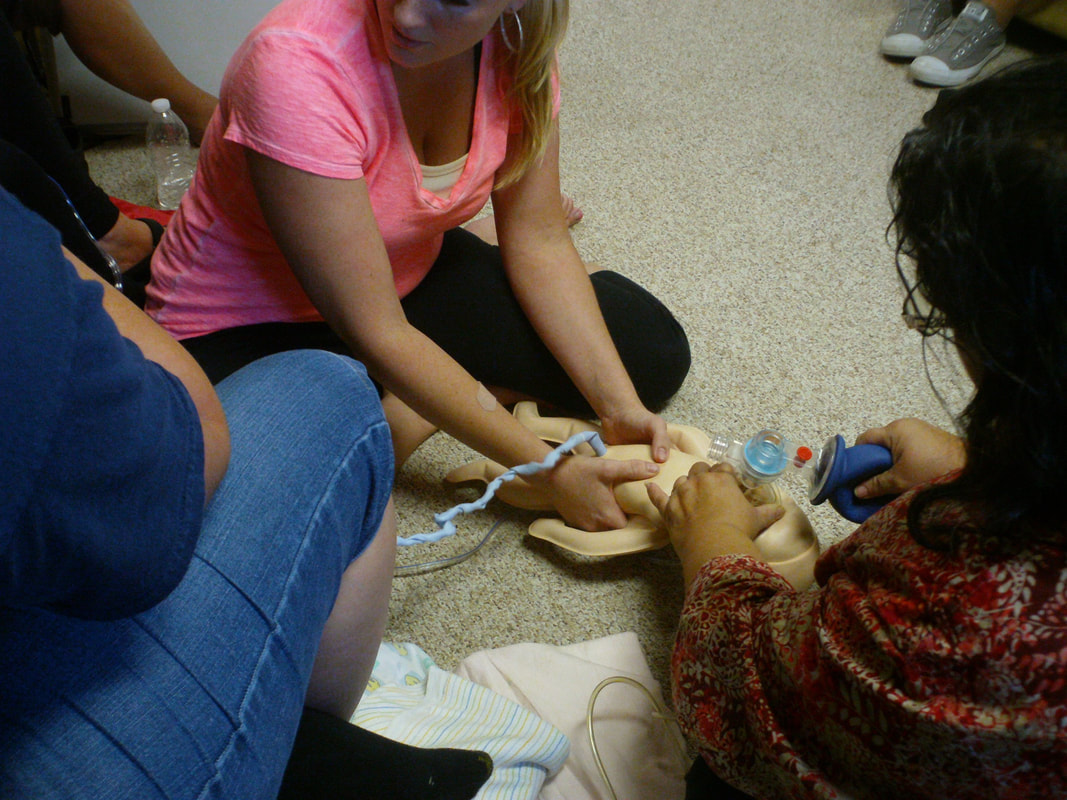
Updated NRP materials include 2 curriculum levels, 2 methods to deliver content Trisha Korioth, Staff Writer
June 01, 2021The Neonatal Resuscitation Program (NRP) 8th edition uses new educational methodologies to better meet the needs of health care professionals caring for newborns at the time of delivery.
For pediatricians and other health care providers, the biggest changes to the 8th edition are two curriculum levels and two methods of delivering educational content, said Gary Weiner, M.D., FAAP, editor in chief of Textbook of Neonatal Resuscitation, 8th edition. “This will make it easier for learners to master the cognitive, technical and behavioral skills that are most relevant to their practice.”
The 8th edition also includes a new NRP Learning Platform hosted by RQI Partners, a partnership between the American Heart Association and Laerdal Medical.
Textbook updates
The Textbook of Neonatal Resuscitation, 8th edition, includes 11 lessons and three supplemental lessons to enhance learning.
“Although the 8th edition textbook has been fully updated to reflect current science, it continues to emphasize the importance of preparation, effective positive pressure ventilation and teamwork,” Dr. Weiner said.
The materials incorporate evidence from the 2020 Neonatal Resuscitation guidelines, which stress the importance of improving positive pressure ventilation (PPV) through skill development and practice and ensuring effective PPV through individual and team training. (See what changed in the 2020 resuscitation guidelines at https://bit.ly/32Y6E0A.)
Key points have been moved to the beginning of each lesson, making them easier to identify. Many of the lessons incorporate QR codes that can be scanned with a mobile device to view short videos that demonstrate key skills. Each lesson includes suggested quality improvement questions and metrics to identify areas for potential improvement.
Although not required as part of the 8th edition course, the supplemental lessons focus on using ergonomics and human factors to improve team performance (lesson 12), resuscitation outside the delivery room (lesson 13) and developing a resuscitation quality improvement program (lesson 14). All providers can enhance resuscitation knowledge and performance with these optional lessons.
Curriculum levels
The two curriculum levels, NRP Essentials and NRP Advanced, provide individualized content based on the provider’s role, access to personnel, and resources during newborn resuscitation. Organizations should decide who should be an Essentials provider or Advanced provider.
The NRP Essentials curriculum (lessons 1-4) is for those assigned responsibility for the newborn at birth when there are no apparent perinatal/neonatal risk factors and who will not participate in resuscitation beyond PPV. It includes skills through face-mask ventilation and laryngeal mask insertion.
The NRP Advanced curriculum (lessons 1-11) is for those who attend births and are responsible for anticipated resuscitation of the newborn with known risk factors and for those who participate in newborn resuscitation beyond PPV, including alternative airway placement, chest compressions, emergency vascular access and medication administration.
All NRP providers will complete a new online learning assessment, which replaces the NRP examination for lessons one through four. The interactive assessment uses artificial intelligence and adaptive learning technology to tailor the instruction to an individual’s knowledge and confidence.
New learning method
In addition to the traditional instructor-led course, the 8th edition also is delivered through Resuscitation Quality Improvement (RQI) for NRP, a new self-directed, simulation-based option.
RQI for NRP offers the NRP Essentials course and uses low-dose, high-frequency quarterly learning and skill sessions to verify competence in PPV performance on a neonatal simulator. The program is available in hospitals that already use RQI solutions for life support education. NRP providers in settings where RQI simulation carts are available can access information about the appropriate approach to training at https://rqipartners.com/nrp/.
Implementation deadline
NRP 8th edition materials must be implemented by Jan. 1, 2022. Instructors and providers may retain their current renewal date, but instructors should brief providers about the 8th edition changes.
Updated NRP COVID Recommendation
Dear NRP Instructors/Providers,
As additional precautionary measures are being implemented to prevent the spread of COVID-19, the Life Support and NRP Customer Service Teams have faced questions about further extending the grace period for expirations of NRP Provider and Instructor Cards, from the initial 60 day extension granted on March 16, 2020, to a total of 120 days. We recognize that many of you face restrictions on travel and mass gatherings, in addition to increased clinical duties in this extraordinary time.
For those individuals whose NRP expiration date falls in March, April, May, June, or July of 2020, the AAP recommends that employers and regulatory bodies consider extending recognition of an NRP card beyond its recommended renewal date, for up to 120 days. However, please know that it is ultimately up to the discretion of employers and regulatory bodies who require current NRP Cards to consider allowing extensions during this time. This extension may be increased, depending on how the COVID-19 public health threat evolves.
Please show this letter to your administrator first. Only in the event that your institution requires a card with the extended expiration date, please email [email protected] with your request and we will respond as soon as we are able. Please disseminate this message to anyone who has a business need for this information (employers, administrators, medical or safety regulators, etc.).
AAP Life Support
"MFM Guidance for COVID-19": https://www.sciencedirect.com/science/article/pii/S2589933320300367
June 01, 2021The Neonatal Resuscitation Program (NRP) 8th edition uses new educational methodologies to better meet the needs of health care professionals caring for newborns at the time of delivery.
For pediatricians and other health care providers, the biggest changes to the 8th edition are two curriculum levels and two methods of delivering educational content, said Gary Weiner, M.D., FAAP, editor in chief of Textbook of Neonatal Resuscitation, 8th edition. “This will make it easier for learners to master the cognitive, technical and behavioral skills that are most relevant to their practice.”
The 8th edition also includes a new NRP Learning Platform hosted by RQI Partners, a partnership between the American Heart Association and Laerdal Medical.
Textbook updates
The Textbook of Neonatal Resuscitation, 8th edition, includes 11 lessons and three supplemental lessons to enhance learning.
“Although the 8th edition textbook has been fully updated to reflect current science, it continues to emphasize the importance of preparation, effective positive pressure ventilation and teamwork,” Dr. Weiner said.
The materials incorporate evidence from the 2020 Neonatal Resuscitation guidelines, which stress the importance of improving positive pressure ventilation (PPV) through skill development and practice and ensuring effective PPV through individual and team training. (See what changed in the 2020 resuscitation guidelines at https://bit.ly/32Y6E0A.)
Key points have been moved to the beginning of each lesson, making them easier to identify. Many of the lessons incorporate QR codes that can be scanned with a mobile device to view short videos that demonstrate key skills. Each lesson includes suggested quality improvement questions and metrics to identify areas for potential improvement.
Although not required as part of the 8th edition course, the supplemental lessons focus on using ergonomics and human factors to improve team performance (lesson 12), resuscitation outside the delivery room (lesson 13) and developing a resuscitation quality improvement program (lesson 14). All providers can enhance resuscitation knowledge and performance with these optional lessons.
Curriculum levels
The two curriculum levels, NRP Essentials and NRP Advanced, provide individualized content based on the provider’s role, access to personnel, and resources during newborn resuscitation. Organizations should decide who should be an Essentials provider or Advanced provider.
The NRP Essentials curriculum (lessons 1-4) is for those assigned responsibility for the newborn at birth when there are no apparent perinatal/neonatal risk factors and who will not participate in resuscitation beyond PPV. It includes skills through face-mask ventilation and laryngeal mask insertion.
The NRP Advanced curriculum (lessons 1-11) is for those who attend births and are responsible for anticipated resuscitation of the newborn with known risk factors and for those who participate in newborn resuscitation beyond PPV, including alternative airway placement, chest compressions, emergency vascular access and medication administration.
All NRP providers will complete a new online learning assessment, which replaces the NRP examination for lessons one through four. The interactive assessment uses artificial intelligence and adaptive learning technology to tailor the instruction to an individual’s knowledge and confidence.
New learning method
In addition to the traditional instructor-led course, the 8th edition also is delivered through Resuscitation Quality Improvement (RQI) for NRP, a new self-directed, simulation-based option.
RQI for NRP offers the NRP Essentials course and uses low-dose, high-frequency quarterly learning and skill sessions to verify competence in PPV performance on a neonatal simulator. The program is available in hospitals that already use RQI solutions for life support education. NRP providers in settings where RQI simulation carts are available can access information about the appropriate approach to training at https://rqipartners.com/nrp/.
Implementation deadline
NRP 8th edition materials must be implemented by Jan. 1, 2022. Instructors and providers may retain their current renewal date, but instructors should brief providers about the 8th edition changes.
Updated NRP COVID Recommendation
Dear NRP Instructors/Providers,
As additional precautionary measures are being implemented to prevent the spread of COVID-19, the Life Support and NRP Customer Service Teams have faced questions about further extending the grace period for expirations of NRP Provider and Instructor Cards, from the initial 60 day extension granted on March 16, 2020, to a total of 120 days. We recognize that many of you face restrictions on travel and mass gatherings, in addition to increased clinical duties in this extraordinary time.
For those individuals whose NRP expiration date falls in March, April, May, June, or July of 2020, the AAP recommends that employers and regulatory bodies consider extending recognition of an NRP card beyond its recommended renewal date, for up to 120 days. However, please know that it is ultimately up to the discretion of employers and regulatory bodies who require current NRP Cards to consider allowing extensions during this time. This extension may be increased, depending on how the COVID-19 public health threat evolves.
Please show this letter to your administrator first. Only in the event that your institution requires a card with the extended expiration date, please email [email protected] with your request and we will respond as soon as we are able. Please disseminate this message to anyone who has a business need for this information (employers, administrators, medical or safety regulators, etc.).
AAP Life Support
"MFM Guidance for COVID-19": https://www.sciencedirect.com/science/article/pii/S2589933320300367
For the most part our NRP Certification practicums occur in conjunction with B.E.S.T. Birth Emergency Skills Trainings, some prior and some following the workshops. YOU MUST contact the hosts for inclusion in either or both events prior to attending.
In an effort to keep the birthing community and our workshop staff safe in these challenging times, BEST and NRP rescheduled from 2020 to spring and fall 2021. It is our sincere intention to be able to meet these dates, however, we will be constrained and restricted by travel advisories and statewide and state specific mandates for visitors and gathering. Thank you for your support and understanding in these difficult days of Covid-19.
*THE NEW 8th EDITION is on a new platform RQI*.
Access the ONLINE learning at rqipartners.com
ONLINE testing must be completed prior to attending the practicum.
You may elect to train as an ESSENTIAL or ADVANCED PROVIDER
ESSENTIAL (Chapter 1-4) learners, however, should review and practice up to and including CHEST COMPRESSIONS (Chapter 5 &6)
Jacksonville, Florida (BEST/NRP) - March 18-19, 2022
March 18th (BEST) 9-6:15pm
March 19th (NRP) 9-1pm
Location: Christ the Redeemer Church Palm Valley 190 S Roscoe Blvd, Ponte Vedra Beach, FL 32082
Cost: BEST $500 + $35, NRP ($175 for BEST participants and $200 for others) + $45.
* $35 / $45 fees are paid online when accessing online components of each program *
Registration: $200 deposit due with registration and payment in full due by Feb.18th, 2022.
Registration commitment includes completion of 8-10 hours of online training prior to workshop.
Bring your lunch to eat at the venue as there is no time to leave for lunch. Coffee, tea and snacks provided.
Join the Facebook group to stay informed
Contact: Jamie Satori at [email protected]
Fayetteville, Arkansas (BEST/NRP) - March 26-27, 2022 - FULL
March 26th (BEST) 9-6:15pm
March 27th (NRP) 9-1pm
Location: 2103 E. Lee St. Fayetteville, AR 72701
Cost: BEST $500 + $35, NRP ($175 for BEST participants and $200 for others) + $45.
* $35 / $45 fees are paid online when accessing online components of each program *
Payment in full due by Feb. 26th, 2022
Registration commitment includes completion of 8-10 hours of online training prior to workshop.
Bring your lunch to eat at the venue. No time to leave for lunch.
Contact: Shoaf Camp [email protected] or (913) 738-9766
Charlotte, North Carolina (BEST only) - April 1, 2022 FULL
BEST April. 1st (9-6:15pm)
Location: Hope Fellowship Church 95 Bird Street Rock Hill SC 29730
Cost: BEST $500 + $35
*$35 paid online when accessing online component of BEST *
Registration commitment includes completion of 8-10 hours online training prior to BEST
Register at Carolina Birth Junkies or contact host.
Bring lunch to eat at venue. Not time to leave.
Contact: Christine Strothers [email protected] or (704) 724-4239
Philadelphia, Pennsylvania (NRP/BEST) - April 29-30, 2022
April 29th (NRP) 1-5pm
April 30th (BEST) 9-6:15pm
Location: Contact Host for details
Cost: BEST $500 + $35, NRP ($175 for BEST participants and $200 for others) + $45.
* $35 / $45 fees are paid online when accessing online components of each program *
Additional fee: $10 (paid to host) to cover the cost of tea, coffee, snacks and a light lunch
To Register: send $200 deposit to Charlene via PayPal or Venmo: [email protected]. Please type your email address and workshop selection in the comments
Payment in Full due by March 31st, 2022
~ Registration commitment includes completion of 8-10 hours online training prior to BEST ~
Join Facebook Event Group - post here to pose questions to host
Contact: Charlene [email protected]
Monee, Illinois (BEST/NRP) May 18-19, 2022
May 18th (BEST) 9-6:15pm
May 19th (NRP) 9-1pm
May 20th Setting up your HOMEBIRTH practice
Location: to be announced
Cost: BEST $500 + $35, NRP ($175 for BEST participants and $200 for others) + $45.
* $35 / $45 fees are paid online when accessing online components of each program *
Registration: $200 deposit due with registration, payment in full due by April 18th, 2022 -
Registration commitment includes completion of 10 hours of online training prior to BEST
Bring a potluck lunch to eat at the venue. No time to leave for outside lunch. Tea, coffee and snacks will be provided.
Contact: Rachel Harris [email protected]
Mansfield, Missouri (BEST/NRP) - May 22-23, 2022
May 22nd (BEST) 9-6pm, May 23rd (NRP) 9-1pm)
Location: Congregation of Mansfield, 401 N. Broad Avenue. Mansfield, Mo 65704
Cost: BEST $500 + $35, NRP ($175 for BEST participants and $200 for others) + $45.
* $35 / $45 fees are paid online when accessing online components of each program *
Registration: $200 deposit due with registration, payment in full due by Dec.1st, 2021
Registration commitment includes completion of 10 hours of online training prior to BEST
Bring a potluck lunch to eat at the venue. No time to leave for outside lunch. Tea, coffee and snacks will be provided ($10 charge to cover cost of venue, beverages and snacks to be paid directly to host)
Contact: Tawni [email protected]
Memphis, Tennessee -(BEST/NRP(possibly) / BEST) - June 6-8, 2022
June 6th (BEST) 9-6:15pm,
June 7th (NRP) 9-1pm
June 8th (BEST) 9-6:15pm
Note: The June 6th workshop date must be filled prior to filling the June 8th option. Only after there are enough participants for both workshops, will participants have a date choice preference offered.
BEST Location: Courtyard Marriot Hotel, 4640 Merchants Park Circle, Collierville, TN 38017
NRP Location: Mayberry Hill Homestead, 915 Centerpoint Drive, Mason, TN 38049 (30 minutes from hotel)
The hotel is offering discounted rates for participants ($119) at Book your group rate for Chosen Birth which must be booked by May 15th.
Accommodation is also offered at the host's Mayberry Hill Homestead (30 minutes from venue). 8 spaces are available at $50 per night. Email Lynda directly for more information.
Cost: BEST $500 + $35, NRP ($175 for BEST participants and $200 for others) + $45.
* $35 / $45 fees are paid online when accessing online components of each program *
**Additional fee: $55 collected by host to cover cost of venue. Tea, coffee, snacks and full lunch provided.
Registration: $200 deposit due with registration, payment in full due by April 8th, 2022 --
Registration commitment includes completion of 10 hours of online training prior to BEST Live workshop.
To register, send deposit to paypal account [email protected] ~ remember to choose 'family and friends', and write what payment is for (total - BEST ($555), NRP ($200) or both ($730)) and date preference.
Contact: Lynda Hoskins [email protected] or (901) 299-0881
Camp Widewater, Ohio (BEST/NRP) - August 1-2, 2022
Specific date details / times may change slightly.
Aug. 1 -NRP (9-1pm or 2pm-6pm)
Aug. 2 - BEST (9-6pm)
Location: Camp Widewater, 4050 County Rd 424, Liberty Center, OH 43532
Cost: BEST $500 + $35, NRP 8th Edition ($175 for BEST participants and $200 for others) + $45.
* $35 / $45 fees are paid online when accessing online components of each program *
Registration fee is 20% of your workshop investments
Payment in full is due by July 15th, 2022
Registration commitment includes completion of 8-10 hours of online training prior to workshop.
Bring your lunch to eat at the venue. Lunch, tea, coffee and snacks will be provided for all participants.
Contact: Jessica Tiderman at [email protected] or (567) 868-3311
Huntertown, Indiana (BEST/NRP) - August 12-13, 2022
Specific dates and times to be announced: BEST (9-6pm), NRP (9-1pm)
Location: AGAPE Midwifery, 4126 N County Line Rd E, Huntertown, Indiana
Cost: BEST $500 + $35, NRP 8th Edition ($175 for BEST participants and $200 for others) + $45.
* $35 / $45 fees are paid online when accessing online components of each program *
Registration commitment includes completion of 8-10 hours of online training prior to workshop.
Bring your lunch to eat at the venue. Lunch, tea, coffee and snacks will be provided for all participants.
Contact: Rhoda [email protected]
Grants Pass, Oregon (BEST Only) - Oct. 21st, 2022
Oct. 21 (BEST) 9-6:15pm
Location: Rogue Birth Center LLC 1453 Redwood Cir. Grants Pass, OR - 97527
Cost: BEST $500 + $35
* $35 fees are paid online when accessing online components of each program *
To Register: Send a $100 deposit via PayPal (friends and family) at @Willa-WoodardErvin
Payment in full is due by September 21st, 2022
Registration commitment includes completion of 8-10 hours of online training prior to workshop.
Lunch will be catered ($15 paid to host). Tea and water will be provided, please bring coffee and/or snacks if desired.
Contact Host: Willa Woodard Irvin at [email protected] or (541) 916-8333 (option 1)
Tyler, Texas (BEST/NRP) - November 4-5, 2022
Nov. 4th (BEST) 9-6:15pm, Nov. 5th (NRP) 9-1pm
Location: Collins Complete Familycare, 805 S. Broadway, Tyler, TX 75701
Cost: BEST $500 + $35, NRP 8th Edition ($175 for BEST participants and $200 for others) + $45.
* $35 / $45 fees are paid online when accessing online components of each program *
Register: Send a $200 deposit via PayPal (friends and family) to [email protected] or Venmo @Tammy-Jimenez-7
Payment in full is due by September 1st, 2022
Registration commitment includes completion of 8-10 hours of online training prior to workshop.
Bring your lunch to eat at the venue. Lunch, tea, coffee and snacks will be provided for all participants.
Contact Host Tammy Jimenez at [email protected] or (903) 246-2046
Los Angeles, California (BEST Only) - Nov. 11th, 2022
Nov. 11th (BEST) 9-6:15pm
Workshop details coming soon.
Cost: BEST $500 + $35
* $35 fees are paid online when accessing online components of each program *
DONE 2021
Ethridge, Tennessee DONE 2021
BEST
NRP
Location: Birth and Wellness
88 West Edan Rd
Ethridge, TN 38456
Contact: Stacie Hunt at [email protected]
Greenville, South Carolina DONE 2021
BEST July 23rd (9-6pm), NRP 24th (9-1pm)
Contact: Jen Conway at [email protected] or (864) 631-7449
Arthur Amish Community, Illinois DONE 2021
*NRP 27th (2-6pm)
BEST 28th (9-6pm)*
Contact: Melissa Hess at [email protected] or (217) 497-8075
Mendenhall, Mississippi - DONE 2021
NRP Sept. 24th (1-5pm)
BEST 25th (9-6pm)*
Contact: Laurie Price at [email protected] or (601) 506-9446
San Antonio, Texas - DONE 2021
BEST Oct. 1st (9-6pm)
NRP Oct. 2nd (9-1pm)
Location: San Antonio, Texas
Contact: Cindy at [email protected] or (512) 618-3720
Denver, Colorado DONE 2021
BEST Nov. 5th (9-6pm)
NRP 6th (9-1pm)
Contact: Heid Hennigan [email protected] or (720) 295-2492
NRP Skills Videos Now Just a Click Away!
In-person trainings are hard to find right now, so use these tools to review neonatal resuscitation skills. From the NRP Homepage (aap.org/nrp), click NRP Skills Videos under Quick Links and you will be taken directly to the instructional videos. The videos provide step-by-step instructions on topics like CPAP in the Delivery Room, Performing and Assisting with Endotracheal Intubation, Epinephrine and Volume Expanders plus much more. These videos are great refreshers or can be used to teach NRP Providers during your Instructor-led Event. NRP Providers can access these videos too for ongoing education. Check them out and share them with your colleagues and learners!
In-person trainings are hard to find right now, so use these tools to review neonatal resuscitation skills. From the NRP Homepage (aap.org/nrp), click NRP Skills Videos under Quick Links and you will be taken directly to the instructional videos. The videos provide step-by-step instructions on topics like CPAP in the Delivery Room, Performing and Assisting with Endotracheal Intubation, Epinephrine and Volume Expanders plus much more. These videos are great refreshers or can be used to teach NRP Providers during your Instructor-led Event. NRP Providers can access these videos too for ongoing education. Check them out and share them with your colleagues and learners!
What is NRP?
The Neonatal Resuscitation Program® (NRP®) was created by the American Academy of Pediatrics as an evidence-based approach to care for newborns at the time of delivery. The program is focused on healthcare professionals who care for newborns and fosters effective team-based care. Online testing, virtual case-based simulations, and hands-on scenarios is combined to focus on leadership, communication, and building team-work.
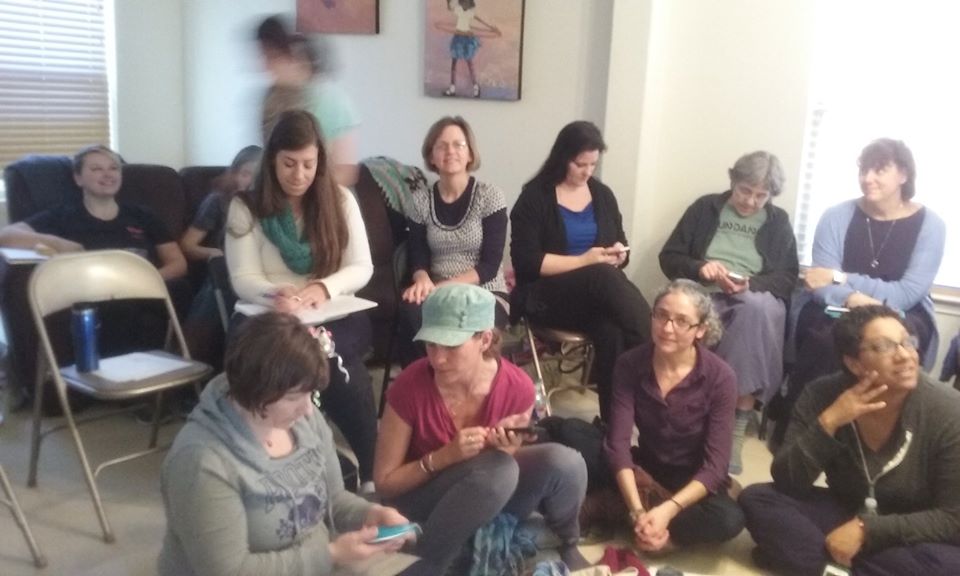
What does the training include?
|
|
|
What do you need to book NRP training?
|
Andrea Dixon RN, CNM, began as an instructor of neonatal resuscitation since the inception of NRP. Through its many changes over the years, Andrea has amended the course to embrace the realities of out of hospital response to newborn breath challenges. Through this program, certifications have led to greater self confidence, safe and secure repetitions of basic and advanced techniques and saved lives through no nonsense helpful hints. Step by step instructions are at the foundation of AAP/NRP for BEST stabilization and transfer of care. Through NRP, Andrea has trained and certified thousands of home, hospital, and birth center midwives, nurses, doctors and birth practitioners.